Best image to video AI in 2026: 10 tools and their models compared - RefVid
Turn your own photos into videos in minutes · Your first video is free, no watermark
First video free, no card
The best image to video AI depends on what your picture shows, how long the clip must run and what you want to spend.
This page compares ten tools that turn a photo into a video: the makers' own apps for Kling, Seedance, Wan, Vidu, PixVerse, MiniMax, Google, Runway and Luma, and RefVid, the site you are on, which runs several of those models in one place.
Every number was read on the vendor's own pages on November 1, 2026.
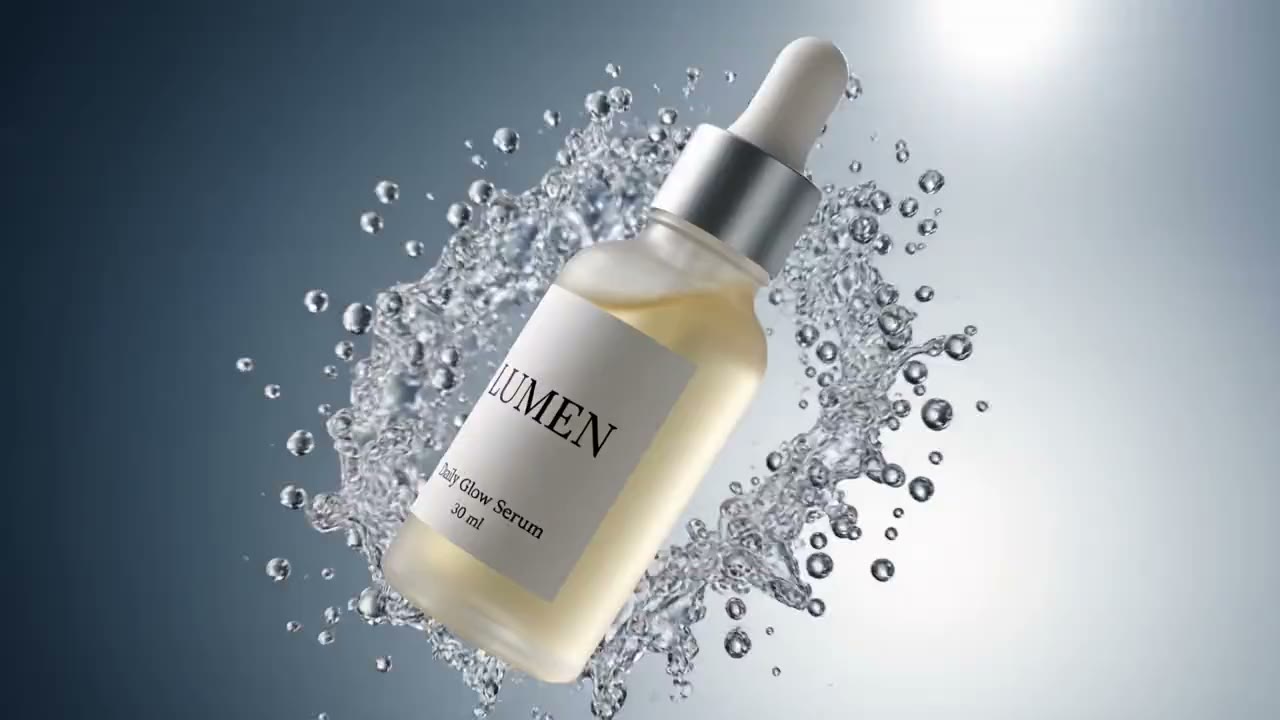
1 product photo
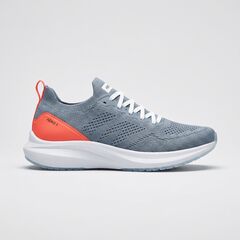
One photo in, one 5-second video out
The short answer
- If you want to try one photo on several models without signing up to each maker's app, RefVid, the site you are on, runs 8 of them in one studio, including Kling 4, Seedance 2.5, Wan 3.0, Vidu Q4, PixVerse C1 and Gemini Omni Flash, and a new account's first 5-second clip is free, with no watermark and no card. It also saves a product or a character from 1 to 5 photos, so every later clip starts from the same pictures.
- For the longest single take from an image, Kling 4.0, Seedance 2.5 and Wan 3.0 all reach 30 seconds. For the most pictures in one clip, Dreamina's Seedance 2.5 takes up to 50 inputs, Luma's Ray3.2 up to 16 keyframes and Vidu Q4 up to 15 reference images. For the cheapest paid start, Google AI Plus is $4.99 a month in the US, and Wan's Pro plan $6.50. For the largest published free allowance, PixVerse lists 60 credits plus 30 a day, and Runway 125 one-time credits.
Best image to video AI tools: free use, entry price, watermark
- Each price below is the cheapest paid plan on monthly billing, as the vendor's own page showed it on November 1, 2026, in US dollars and before tax. Credits are not a shared unit, so the next table but one compares what a clip costs where the vendor publishes it. Free allowances change often; several vendors give free credits without saying how many.
| Tool | Free use | Cheapest paid plan, monthly | Free downloads watermarked | Commercial use |
|---|---|---|---|---|
| RefVid | One 5-second 720p clip for a new account, no card | Packs, plans or a single clip, listed on the pricing page | No | Yes, the free clip too |
| Kling AI app | Monthly free credits for non-subscribers; amount not published | Standard: $6.99 the first month, then $8.80; 660 credits | Watermark removal is a subscription benefit | Paid subscribers |
| Dreamina (Seedance) | A free option with credits; amount not on the pricing page | Basic: $15 a month, 1,575 credits ($0.29 first month until November 6) | Removing the Dreamina watermark is listed on paid tiers | Yes, under Dreamina's terms |
| Wan | Daily check-in credits; amount not published | Pro: $6.50 a month (shown against $10), 300 credits | Yes; watermark-free downloads are on Pro and Premium | Output rights assigned to you by its terms |
| Vidu | Trial credits for new users plus daily log-in credits; amount not published | Standard: $10 a month, 800 credits | Yes | Paid plans only |
| PixVerse | 60 credits once, then 30 a day | Standard: $10 a month, 1,200 credits | Watermark-free output is listed as a Standard benefit | Paid plans only |
| Hailuo AI (MiniMax) | Free credits for new users; amount not published | Standard: $14.99 a month, shown at a limited-time $7.99; 1,000 credits | Yes | Paid downloads without a watermark |
| Google Flow | 50 Flow credits a day, per Flow's credits help page | Google AI Plus: $4.99 a month (US), 200 Flow credits | The visible mark is a setting; an invisible SynthID mark is on every output | Not stated on the pricing page |
| Runway | 125 one-time credits | Standard: $15 a month, 625 credits | Not stated for free; Standard lists no watermarks | Its terms do not restrict commercial use |
| Luma (Dream Machine) | Free trial credits; amount not published, no free plan on the pricing page | Plus: $30 a month, 10,000 credits | Not stated on the current pricing page | Listed on Plus |
Best image to video AI models: clip length and pictures accepted
Every tool above runs one or more models, and the model sets how long a clip from a picture can be and how many pictures it reads. These are the limits each maker publishes for its newest model, in its own guides and API docs; the last column says which ones you can also pick in RefVid's studio.
A start frame means the clip opens on your exact picture; an end frame makes it close on a second one. Reference images are different: the model keeps the subject from them but draws a new shot, which is what keeps a product label or a face the same while the camera moves.
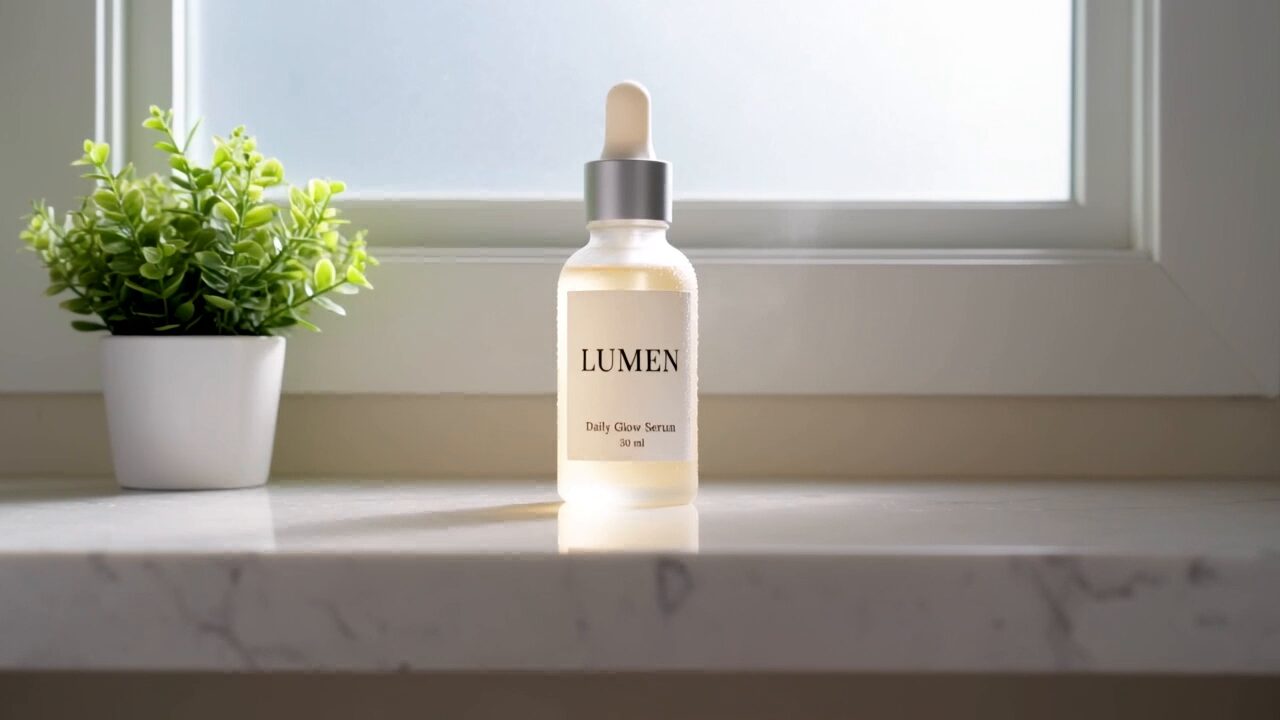
1 front photo

| Model | Maker's app | Longest clip from an image | Pictures it takes | In RefVid |
|---|---|---|---|---|
| Kling 4.0 | Kling AI | 30 seconds | Start and end frame, up to 10 keyframes, up to 10 reference images (15 inputs in all) | Yes |
| Seedance 2.5 | Dreamina | 30 seconds, extendable twice | Up to 50 inputs of mixed media | Yes |
| Wan 3.0 | Wan | 30 seconds (10 to 30 on paid plans) | First frame, first and last frame, or up to 10 reference images | Yes |
| Vidu Q4 | Vidu | 16 seconds | Start frame (an end frame too in the web app), or up to 15 reference images | Yes |
| PixVerse V6 and C1 | PixVerse | 15 seconds | Start frame or start and end frame; up to 10 references on V6 Omni | C1 |
| MiniMax H3 | Hailuo AI | 15 seconds | Start frame or start and end frame, or up to 9 reference images (12 files in all) | No |
| Gemini Omni Flash and Veo 3.1 | Google Flow | 10 seconds on Omni Flash, 8 on Veo 3.1 | Start frame, start and end frame, or ingredient images | Gemini Omni Flash |
| Gen-4.5 | Runway | 10 seconds | One first-frame image | No |
| Ray3.2 | Luma | 10 seconds, longer with Extend | Up to 16 keyframes | No |
Best photo to video AI for products, people and pets
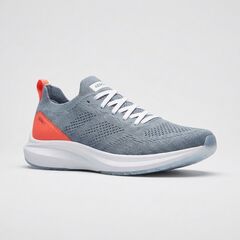
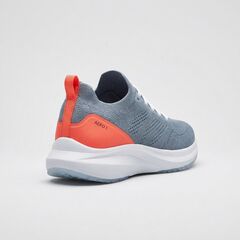
For a product, the hard part is the label: small print and logos blur when a model only sees one start frame and has to invent the other side. Tools that take the photo as a reference image (Kling 4.0, Vidu Q4, Wan 3.0, MiniMax H3, Seedance 2.5) keep it in view for the whole clip, and more angles help; RefVid can draw the missing sides from one photo.
For a person, check the tool's rules first: realistic faces need the person's consent everywhere, and some models refuse them; in RefVid, Seedance 2.5 declines photos of real-looking people before the clip runs, while Kling 4 and the other models take them. For a pet, a start frame is often enough, because a short clip of a pet that blinks and turns its head rarely shows a side the photo lacks.
- Product photo to video
- Turn a photo into a video character
- Best tools for the same character in every clip
3 reference photos
What one clip from an image costs
Only some vendors publish what a clip costs in their credits. Runway charges 60 credits for 5 seconds of Gen-4.5, and its pricing page says the Standard plan's 625 credits make 52 seconds of Gen-4.5 a month. Luma charges 100 credits for 5 seconds of Ray3.2 at 720p, against 10,000 credits on Plus. MiniMax H3 on Hailuo costs 12 credits a second.
Vidu Q4 at 540p costs 2 credits a second on a paid plan and 4 on the free plan. Google Flow charges 15 credits for a 10-second Gemini Omni Flash clip at 720p and 20 for a Veo 3.1 Fast clip. Kling, Dreamina, Wan and PixVerse did not publish a per-clip credit price for their web apps on the pages we read. On RefVid, what a clip costs depends on the model, length, resolution and sound, and the pricing page lists it before you pay.
What each clip costs today
How we compared
- We read every price and limit on the vendor's own site on November 1, 2026: pricing pages, help centres, model pages, terms and API docs. We did not use review sites or price trackers. Where a vendor publishes no number, or its page would not load for us, the tables say so instead of guessing.
- Three caveats from that day. PixVerse's subscription page stayed on a security check, so its figures come from PixVerse's own AI info page, which says its web prices were checked on October 15, 2026. Hailuo's subscription page sent signed-out visitors to its homepage, so its plan figures come from the FAQ on that page. Two of Google's Flow help pages disagree on whether video needs a subscription; one gives 50 free credits a day, the other lists Google AI Plus, Pro or Ultra.
- We have not run the same photo through every tool, so this page compares published features, limits and prices, not measured quality. The clips on this page are RefVid's own output.
- Sources: kling.ai/app/membership/membership-plan and kling.ai/quickstart/kling-4-model-user-guide; dreamina.capcut.com/pricing/dreamina-seedance-price, dreamina.capcut.com/seedance/seedance-2-5 and seed.bytedance.com/en/seedance2_5; create.wan.video/pricing, wan.video/policy/termsofService and Alibaba Cloud Model Studio's Wan 3.0 video API reference; vidu.com/pricing, vidu.com/vidu-q4 and vidu.com/ai-image-to-video; pixverse.ai/en/ai-info-page, pixverse.ai/en/terms-of-service and docs.platform.pixverse.ai; hailuoai.video/subscribe, hailuoai.video/doc/payment-policy.html and platform.minimax.io video generation docs; gemini.google/us/subscriptions and support.google.com/flow; runway.com/pricing, runway.com/terms-of-use and docs.dev.runwayml.com; lumalabs.ai/pricing and lumalabs.ai/ray.
How to test image to video AI with your own photo
Run one small test on each tool you shortlist: the same photo, the same one-sentence prompt and the same length. Then compare the label or face, the hands and the edges of the subject frame by frame, at full size, before you pay for a plan.
A prompt to start from, adapted from the one behind the shoe at the top of this page: "The shoe rests on a flat wet black rock beside a mountain stream at sunrise, seen from the side as in the photo. The camera dollies slowly along the shoe from heel to toe." Describe the place, the action and the camera, never the product or the face; the photo does that.
Start from a template
Each one opens the studio with the shots, shape and length already set. Add your own product and generate.
More on AI video models
Frequently asked questions
What is the best image to video AI in 2026?
It depends on the job. Kling 4.0, Seedance 2.5 and Wan 3.0 make the longest clips from an image (30 seconds), Seedance 2.5 takes the most pictures (up to 50 inputs), Google AI Plus is the cheapest paid start, and RefVid runs 8 models in one studio with one free 5-second clip and no watermark. Prices and limits were read on November 1, 2026.
Which is the best image to video AI free to start with?
PixVerse lists 60 free credits plus 30 a day, Runway gives 125 one-time credits, and Google Flow's credits page gives 50 credits a day. RefVid gives a new account one 5-second 720p clip from your own photo, with no watermark, no card and commercial use allowed. Vidu, Wan and Hailuo add a watermark to free downloads.
What is the best AI video generator from image and text?
Every tool on this page takes a picture and a prompt together: the picture sets what has to stay the same, the text says what happens and how the camera moves. Pick by the job: a reference image for a product or a face that must hold, a start frame for a clip that opens on your exact photo.
Which image to video AI app is the best?
Each model runs in its maker's own app: Kling 4.0 in Kling AI, Seedance 2.5 in Dreamina, Wan 3.0 in Wan, Vidu Q4 in Vidu, MiniMax H3 in Hailuo AI, Veo 3.1 and Gemini Omni Flash in Google Flow, Gen-4.5 in Runway and Ray3.2 in Luma. Google Flow, Kling AI and Runway also have iOS and Android apps. RefVid runs several of these models in one studio in your phone's browser, with no app to install.
Is there an image to video AI with no restrictions?
No. Every tool here has content rules and a limit on free use: credits, a daily cap, a watermark, a lower resolution or personal use only. Realistic faces need the person's consent everywhere; in RefVid, Seedance 2.5 declines photos of real-looking people before the clip runs.
Which image to video AI model makes the longest clip?
Kling 4.0, Seedance 2.5 and Wan 3.0 each make up to 30 seconds from an image in one generation, according to their makers. Vidu Q4 reaches 16 seconds, PixVerse V6 and MiniMax H3 15, and Gemini Omni Flash, Runway Gen-4.5 and Luma Ray3.2 10.
Can I use image to video AI clips commercially?
On paid plans, yes, on every tool here that states it. Free clips differ: Kling, Vidu and PixVerse allow commercial use on paid plans only, while RefVid allows it on the free clip too. Read the terms of the tool you choose, and only upload photos you have the right to use.
Can one photo keep a product label readable in the video?
Often, if the photo is sharp and the label large in frame. A model that keeps the photo as a reference image holds the label better than one that only starts on it, and extra angles of the product help when it turns. Check small print at full size before you post.
How current are these prices?
They were read on November 1, 2026, on each vendor's own pages, except PixVerse, whose own AI info page was last updated on October 19, 2026. AI video prices and free allowances change often, so check the vendor's page before you subscribe.