What is micro drama, and how to make one with AI - RefVid
Turn your own photos into videos in minutes · Your first video is free, no watermark





First video free, no cardGenerating confirms everyone pictured agreed. Terms
A micro drama is a series shot vertically for a phone, told in episodes of about one to two minutes, and every episode ends on a cliffhanger so you tap through to the next. A series often runs 20 to 100 episodes. The format grew up in China and is now on apps such as ReelShort and DramaBox.
Below: how it works, where it came from, and how to make your own with AI while the same actors appear in every episode.
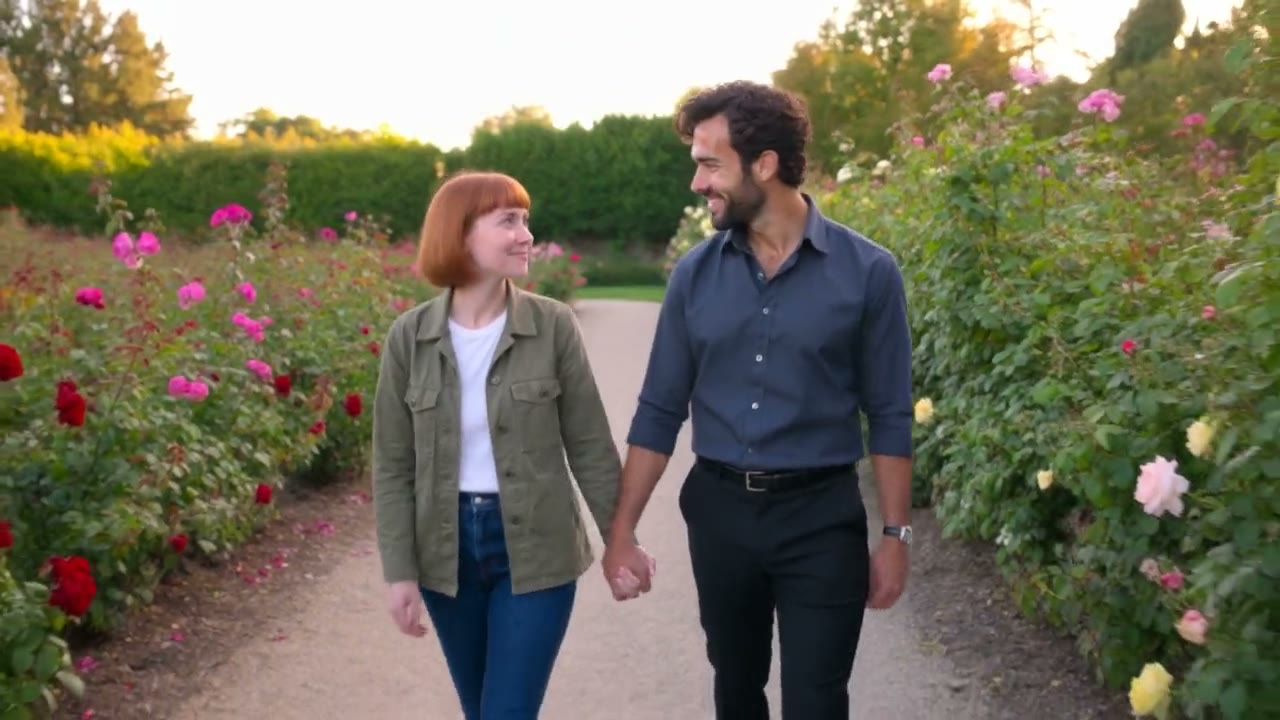
8 photos of Mia and Leo


What is micro drama?
- A micro drama, also written microdrama or called a short drama, is a scripted series made for a phone held upright. The picture is 9:16 and fills the screen, each episode runs about one to two minutes, and nearly every episode stops on a cliffhanger. One series usually has 20 to 100 episodes, so a whole story takes about as long as a feature film.
- The stories are built for speed: romance, revenge, a hidden identity or a family secret, with a twist every minute. Apps usually give the first episodes away and then charge per episode, sell the whole series, or unlock episodes in return for watching ads. Paid episodes often cost $0.30 to $0.50 each, and a full series $10 to $15.
Where micro dramas came from
- Micro dramas grew out of short serial videos on Douyin and Kuaishou in China around 2018. In 2020 China's broadcast regulator, the NRTA, recognised the duanju, or short drama, as its own genre of online video. By the end of 2024 the market in China was put at over 50 billion yuan, about US$7 billion, with roughly 662 million viewers.
- Outside China the format is led by apps: Sensor Tower ranks ReelShort, DramaBox and GoodShort as the top three. Large studios have followed. Fox agreed in October 2025 to make over 200 vertical series for the My Drama app, and Peacock announced micro dramas for summer 2026, including Bravo reality series with episodes of 60 to 90 seconds.
| Micro drama | Typical value |
|---|---|
| Picture | Vertical, 9:16 |
| Episode length | About 1 to 2 minutes |
| Episodes per series | 20 to 100 |
| Episode ending | A cliffhanger |
| Price on the apps | Free first episodes, then $0.30 to $0.50 an episode or $10 to $15 a series, or ads |
Vertical micro drama AI: the same cast in every episode
- A micro drama lives on its faces: viewers follow the same lead through dozens of episodes. That is where most AI video tools fail, because each clip starts from one picture or from words alone, and the lead looks a little different every time. RefVid saves each actor once from 1 to 10 photos and sends those photos with every scene, so episode 40 shows the faces of episode 1.
- Up to 3 actors can share one shot, each tied to their own photos, so a couple, a rival and a boss keep their faces apart. Invented actors work as well as real people: save a portrait you made elsewhere, or a drawn character sheet, the same way.
How to make a micro drama episode with AI
- Write the episode as four to eight scenes of 10 to 15 seconds, each with a wide shot that sets the place and close-ups on whoever speaks. Put every line in quotes and name the speaker; the model speaks quoted lines in the clip, with room sound. Generate each scene in 9:16 and join them in any editor, such as CapCut.
- A scene that works: "Rainy evening in a quiet café: Mia and Leo sit across a small table, untouched coffee between them. Close-up of Mia, eyes steady, saying quietly: 'You knew all along, didn't you?' Close-up of Leo, looking down, then up, and answering: 'I was going to tell you tonight.'" It is the prompt of the short drama template that made the clip at the top of this page.
- End the last scene on an open action, such as a phone lighting up or a door opening, and start the next episode from it. A clip runs 3 to 30 seconds on Kling 4, so one long scene can carry a whole beat.
| Step | What to do |
|---|---|
| 1. Cast | Save each actor once from 3 to 5 clear photos: front, three-quarter from each side, waist-up in the costume of the season. |
| 2. Write | Four to eight scenes per episode, dialogue in quotes, a cliffhanger at the end. |
| 3. Generate | Each scene in 9:16 with the saved actors; Kling 4 adds sound to every clip. |
| 4. Join | Put the scenes together in an editor and add captions. |
What it costs, and checks before you post
- New accounts get one free 3-second Kling 3.0 Omni video, no card needed, enough to test your cast in a first shot. After that, a single video costs from $2.99, a one-time credit pack from $9.90 and a monthly plan from $10; credits never expire, and RefVid adds no watermark.
- Before you post an episode: the same costumes as last time, names spelled the same in every caption, the AI label switched on where TikTok, YouTube or Instagram ask for it, and consent from every real person in the cast.
Start from a template
Each one opens the studio with the shots, shape and length already set. Add your own product and generate.
More character videos
Reference to video →

Frequently asked questions
What is micro drama, in short?
A scripted series filmed vertically for phones, in episodes of about one to two minutes that each end on a cliffhanger. A series usually has 20 to 100 episodes and is watched on apps such as ReelShort and DramaBox.
Where did micro dramas start?
In China, as short serial videos on Douyin and Kuaishou around 2018. China's regulator recognised the short drama as its own genre in 2020, and apps took the format to the US and elsewhere.
Is there a micro drama AI generator that keeps the same actors?
Yes. RefVid saves each actor once from 1 to 10 photos and uses those photos in every scene, so every episode shows the same faces. Up to 3 actors can share a shot, and quoted lines are spoken in the clip.
Is there a micro drama AI app for phones?
RefVid runs in your phone's browser or on a computer, with no app to install. Save the cast once, write each scene, and generate it in 9:16; join the scenes into an episode in any editor.
Is it free to start?
Yes. New accounts get one free 3-second Kling 3.0 Omni video, no card needed. Full scenes with sound are paid per video or from credits, and there is no watermark either way.